
What Your Venue Choice Says About Your Event Strategy
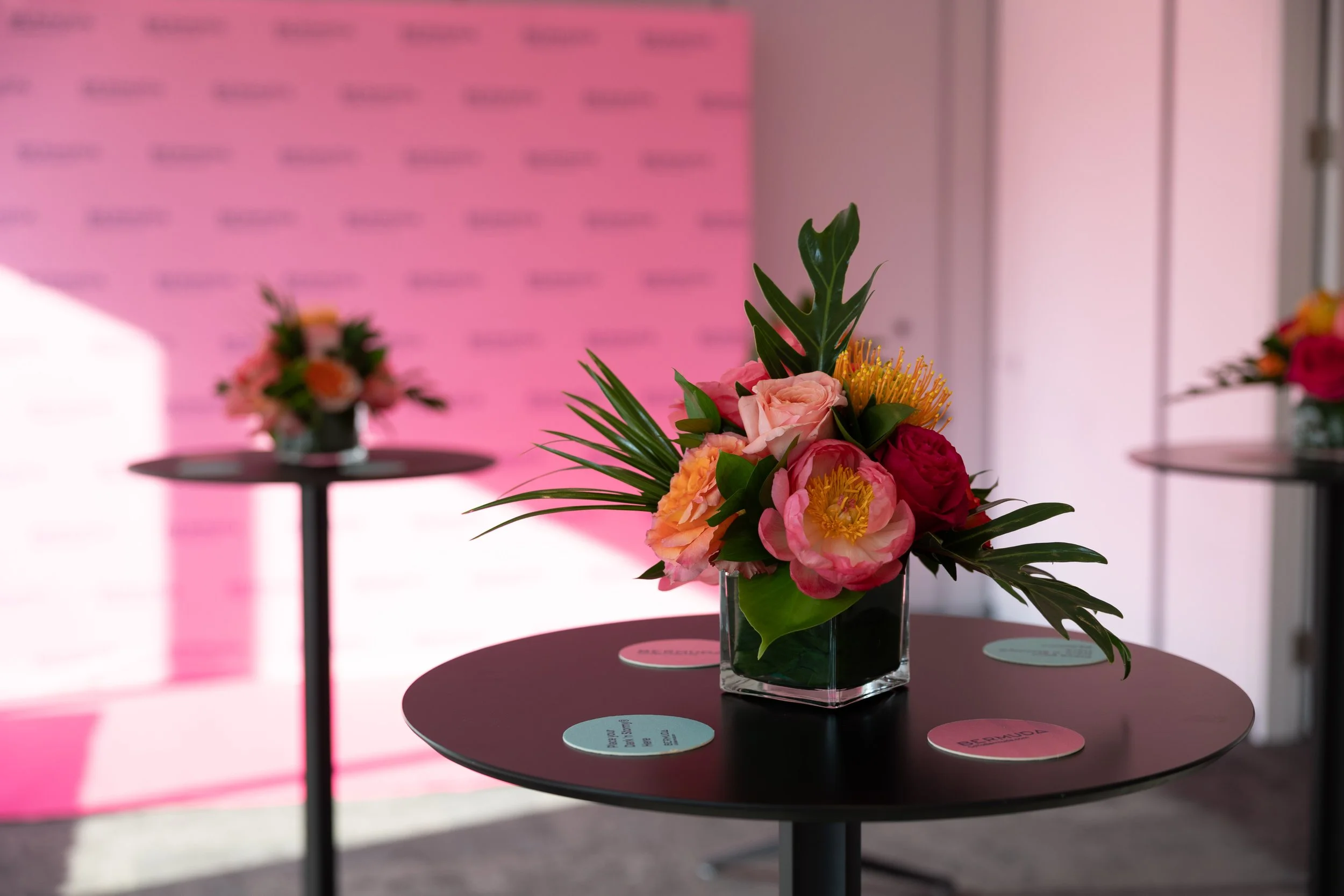
The ballroom looked right in the photographs.
It could hold the expected number of guests. The location was convenient. The proposal appeared to fit the budget, and the contract was ready to be signed.
On paper, it was an obvious choice.
Then we began asking questions.
Where would the executive team meet privately before the program? How would guests move from registration to the opening session without creating a line through the lobby? Could the service team reset the room while another session was taking place? Where would confidential conversations happen? What restrictions applied to production suppliers, branding, food and beverage, loading access, and overtime?
The answers changed the picture.
The venue was not necessarily unsuitable. However, the contract was close to being signed before anyone had tested whether the property could support what the event was actually meant to achieve.
This is why one of the most important conversations surrounding an event often happens long before anyone steps onto the stage.
It happens during venue sourcing.
A Venue Is Not Simply a Place to Put the Event
Venue sourcing is often treated as an early administrative task.
A team establishes the dates, expected attendance, and approximate budget. Several properties are contacted. Proposals arrive, a preferred option is selected, and procurement begins negotiating the contract.
Only afterwards is the production or experience team invited into the conversation.
By that stage, many of the most consequential decisions have already been made.
The available rooms may determine the program format. Access times may restrict production. Catering minimums may influence how the budget is allocated. Preferred supplier policies may add unexpected costs. The venue’s layout may make it difficult to deliver the intended guest journey.
A venue is not merely the backdrop for an event. It is part of the event’s operating system.
It affects how people arrive, move, meet, eat, work, rest, and respond. It influences what the production team can build, what the hospitality team can provide, and how much flexibility remains when plans change.
Why We Need to Be Involved Before the Contract Is Signed
At Events by Dionne Inc., we prefer to enter the venue selection process before a client commits to a property.
That timing matters.
Once a contract has been signed, the conversation changes from “What does this event need?” to “How can we make this work within what has already been agreed?”
Those are not the same question.
Early involvement allows us to evaluate the venue through the lens of the full experience strategy. We can consider the business objectives, stakeholder expectations, production requirements, hospitality standards, and measurement plans together.
We are not only asking whether the venue has enough square footage.
We are asking whether it can support the intended outcome.
A leadership summit designed to encourage candid discussion requires different conditions from a product launch built for reach and media attention. An executive retreat needs a different degree of privacy, flexibility, and service than an annual conference. A client-hosting program may depend as much on discreet hospitality areas as it does on the main meeting room.
The venue must be selected for the event being designed, not simply for the number of people attending.
What a Venue Proposal Does Not Always Tell You
Venue proposals are useful, but they rarely tell the whole operational story.
A proposal may confirm that a ballroom accommodates 400 guests. It may not explain how comfortable that room will feel once a stage, screens, cameras, technical equipment, service stations, and accessibility routes are added.
It may list several breakout rooms without showing how far apart they are, whether sound transfers between them, or whether attendees must pass through public areas to reach them.
It may present an attractive food-and-beverage package without clarifying service ratios, replenishment plans, dietary processes, or where guests will actually gather during breaks.
It may mention loading access while leaving out the hours, elevator dimensions, security requirements, or restrictions that affect production costs.
These details may seem minor during contract review. On-site, they make the difference between a controlled experience and a series of compromises.
The Contract Begins Shaping the Event Immediately
A venue contract does more than secure dates and meeting rooms. It establishes the boundaries within which the experience must be delivered.
Food and beverage minimums, cancellation schedules, attrition clauses, supplier restrictions, internet charges, power access, storage, security, labour rules, and production windows can all affect event ROI.
A lower room rental fee does not always mean a lower total cost.
A venue that initially appears more expensive may provide longer access hours, better infrastructure, more appropriate meeting spaces, and greater supplier flexibility. That can reduce production costs, staffing pressure, and the risk of last-minute additions.
This is why venue sourcing should be connected to financial strategy, not separated from it.
The CFO may be looking at the contracted amount. The production team is looking at everything the contract will require later.
Both views are necessary.

The Guest Experience Begins Before Registration
Guests may never know that the loading dock opened late, the green room was too small, or the team had to rebuild part of the plan because of venue restrictions.
They will still feel the consequences.
They notice when arrival is confusing. They feel when transitions are rushed. They recognize when a room is overcrowded, service is delayed, or the program seems disconnected from the setting.
Strategic Hospitality means considering these moments before they become visible problems.
It means looking at the venue as a guest would, while also understanding what must happen behind the scenes to make the experience feel effortless.
Can a senior executive enter discreetly if required? Is there a logical place for guests to pause after travelling? Can dietary needs be handled without drawing unnecessary attention? Does the property understand the expected service level? Can the event team respond quickly when the schedule changes?
Premium hospitality depends on operational readiness. It cannot be added at the end as a decorative layer.
Destination Selection Requires the Same Discipline
The same principle applies when an event includes a destination experience.
A destination should not be selected only because it is popular, impressive, or easy to promote internally. It should make sense for the audience, the event objectives and the organization’s wider responsibilities.
Travel time, accessibility, local infrastructure, cultural context, seasonality, security, and the availability of appropriate venues all shape the final experience.
The destination also sends a message.
It can communicate ambition, care, exclusivity, relevance, or cultural curiosity. It can also create unnecessary friction when selected without considering who needs to attend and what is expected of them.
Effective destination selection begins with purpose, not a shortlist of attractive properties.
The Best Time to Protect the Event Is Early
We are often brought into projects after a venue has already been contracted. We can adapt, but solving a preventable problem is rarely the best use of a client’s investment.
The strongest outcomes happen when venue sourcing is connected to the event strategy from the beginning—before dates, spaces, minimums, and operating restrictions are locked into a contract.
That is why venue sourcing is a dedicated part of our work at Events by Dionne Inc.
Let Us Source the Venue
You do not need to arrive with a venue shortlist.
Events by Dionne Inc. can manage the venue sourcing process on your behalf, from initial market search and property outreach through proposal comparison, site evaluation, and contract considerations.
Through our in-house venue sourcing program, we have access to hotels, conference properties, resorts, and event venues across North America, allowing us to search beyond the obvious options and identify properties based on what your event actually requires.
But access is only the beginning.
We evaluate potential venues against the full event brief: business objectives, guest journey, program requirements, production infrastructure, hospitality standards, accessibility, budget, service expectations, and operational risk.
The goal is not simply to find a venue with availability.
It is to find the right environment for the experience you are investing in.
Whether you are planning an executive retreat, leadership summit, conference, gala, client experience, or multi-day program, bring us in before the venue decision is made.
Events by Dionne Inc. provides venue sourcing as part of our experience advisory and execution services for events across Canada, the United States, and North America.
Planning an event and need the right venue? Start with us before you start with the venue.