
When senior leaders inherit an event portfolio, they usually see the visible pieces first:
Dates. Budgets. Venues. Agencies. Timelines.
All of that matters. None of it tells the full story.
What often gets missed is the invisible layer—the decisions, expectations and relationships beneath the logistics that determine whether a corporate event strategy advances the business or simply produces a calendar of activity.
It is the layer where rooms are shaped, priorities are translated into experiences and relationships either move forward or quietly stall.
This is where Strategic Hospitality™ matters.
Strategic Hospitality™ is the intentional stewardship of people, purpose, and place to create the conditions for meaningful human connection and measurable business outcomes.
It is not simply about making an event feel polished. It is about understanding what the room is meant to do, who it needs to influence and whether the experience has been designed and executed to deliver the outcome the business needs.
This is the invisible side of events.
In my experience, it is where some of the most important work happens.
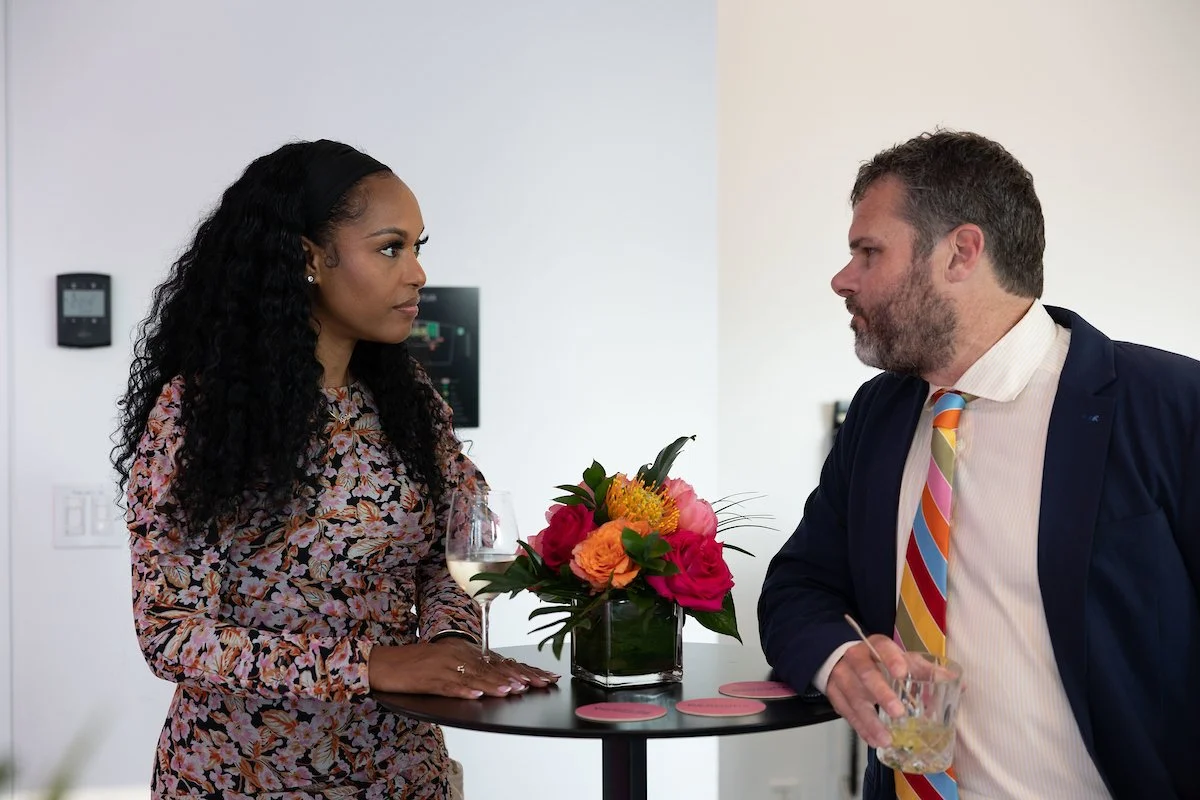
Montreal Media Event | Client: Bermuda Tourism Authority | Photo: Julian Haber
Senior leaders do not just inherit events. They inherit a system.
When a new senior leader steps into a role, they do not simply inherit an event calendar.
They inherit established habits and assumptions, longstanding vendor relationships, political sensitivities, internal workarounds and a definition of success that may or may not still make sense.
Some of these decisions may be well documented. Others may exist only as institutional memory:
“We have always held it there.”
“That executive expects to be included.”
“This is the agency we use.”
“That is how the program has always been structured.”
From the outside, it can look like momentum. From the inside, it may be misalignment moving very quickly.
That is why I do not look at events as isolated productions. I look at them as signals.
They reveal how an organization makes decisions, what leadership values and where the brand promise is—or is not—being translated into the lived experience. They also reveal where internal teams are compensating for unclear direction and where cracks may be forming beneath an otherwise polished surface.
The visible event plan rarely reveals the real risk
A new leader can walk into a full slate of upcoming events and assume the system is healthy because everything appears to be in motion.
The conference is booked. Sponsors are confirmed. The executive dinner is on the calendar. The internal team says they have it covered.
But activity alone does not prove alignment.
Beneath the visible plan are more consequential questions:
Is this event still serving the business goal it was created to advance?
Are the right people in the room?
Is the guest journey intentional, or has it simply been repeated?
Is the experience designed to strengthen trust, influence, revenue or alignment?
What should happen because people gathered that could not have happened otherwise?
These are not questions about whether the event will run.
They are questions about whether it is worth running in its current form.
When these decisions remain unexamined, organizations do not merely risk producing an underwhelming event. They risk spending against outdated priorities, exhausting internal teams and creating significant activity with limited strategic return.
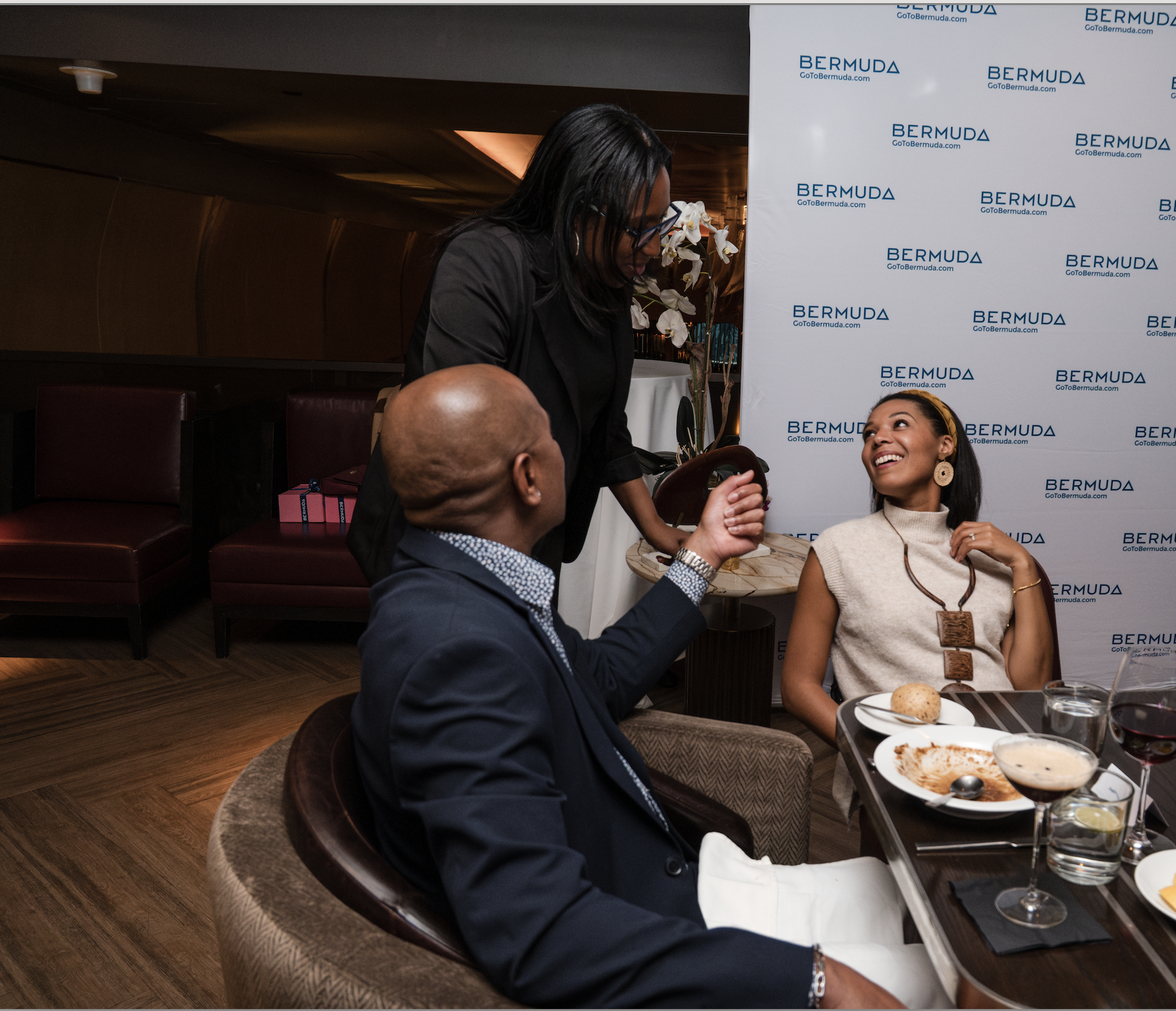
Toronto Sales Client Dinner | Client: Bermuda Tourism Authority | Photo: James Gomez
Hidden misalignment eventually becomes visible
Once the intended outcome is clear, the risks beneath the surface become easier to recognize.
A guest list may be politically safe but strategically weak.
A leadership team may want deeper client relationships while approving a format that leaves no room for meaningful conversation.
An experience may attract the right people but fail to create a clear next step after they leave.
Multiple departments may be investing in the same audience without a shared strategy.
An internal team may appear to be managing well while quietly compensating for unclear ownership by working harder.
These are not necessarily failures of effort. More often, they are signs that the strategy, experience architecture and execution decisions are no longer fully aligned.
Left unaddressed, that misalignment becomes expensive. It shows up in duplicated work, missed business opportunities, frustrated teams, inconsistent guest experiences and events that are difficult to evaluate because success was never clearly defined.
The most expensive thing in events is often indecision—but decisions made without clarity can be equally costly.
A new leader has an opportunity to ask better questions
When a senior leader inherits an event portfolio, the temptation is to begin with efficiency:
What can we reduce? Which suppliers should we review? Where are we overspending? What needs to be delivered next?
Those questions have a place, but they should not be the starting point.
The first task is to understand what the organization is trying to move—and whether its events are designed to help move it.
That requires looking beneath the calendar:
Which events remain strategically important?
Which audiences matter now?
What business outcomes should each gathering support?
Where are the experience and the brand promise disconnected?
Where is the organization investing out of habit rather than intention?
What must be protected, redesigned or retired?
What does the execution team need from leadership to deliver with greater clarity?
A new leader does not need to discard everything they inherit. But they do need to distinguish between what has genuine strategic value and what has simply become familiar.
The invisible side of events is where better outcomes begin
Business moves through people.
Every time someone accepts an invitation, they give an organization their time. That time carries trust, expectation and opportunity.
Nothing in the experience is neutral. The invitation signals value. The guest list establishes relevance. The format influences behaviour. The environment shapes how people feel. The operational details either reinforce the intention or quietly undermine it.
When these decisions are aligned, the result is more than a well-produced event. It is a room capable of strengthening relationships, advancing priorities and creating measurable movement.
That alignment does not happen accidentally.
It must be intentionally designed, responsibly stewarded and expertly executed.
For senior leaders, the opportunity is not simply to inherit the calendar and keep it moving. It is to understand the system beneath it—and make sure that system is moving the business forward.
If you have inherited an event portfolio—or are questioning whether your current events are still serving the business—it may be time to look beneath the calendar.

Raptors Night - Sponsor Hosting | Client: The Standard | Photo: CBS
Events by Dionne helps senior leaders align event strategy, experience architecture, production planning and the real-time decisions that shape what their rooms actually deliver.
From advisory clarity through full-scale production, experienced people remain accountable in the room—applying judgement as conditions change and protecting the intended business outcome as the experience unfolds.